
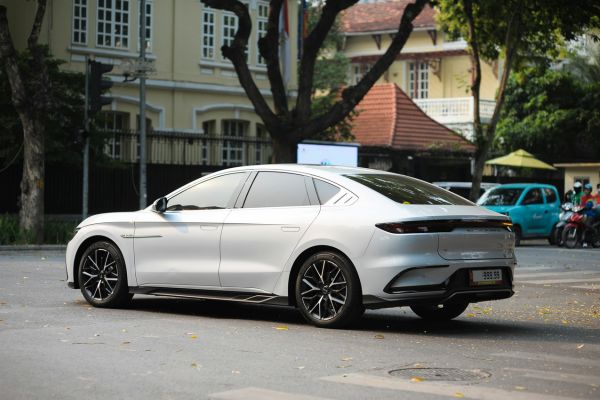
Transportation has shaped modern life in powerful ways. It gives people access to work, education, healthcare, travel, and connection. Yet it has also contributed heavily to urban air pollution, fuel dependence, and global emissions. As cities grow and environmental pressures increase, the future of mobility is being reimagined.
One of the most discussed parts of that transition is the rise of zero-emission vehicles. These vehicles are designed to operate without producing tailpipe emissions during use. That includes battery electric vehicles and, in some contexts, hydrogen fuel cell vehicles.
Supporters see them as essential to cleaner cities and lower carbon futures. Critics raise concerns about cost, infrastructure, battery sourcing, and grid readiness. Both perspectives contain important truths. Like most major transitions, the reality is more nuanced than slogans suggest.
What Zero-Emission Vehicles Actually Mean
The phrase zero-emission vehicles usually refers to vehicles that produce no exhaust emissions while driving. Unlike gasoline or diesel engines, they do not emit carbon dioxide, nitrogen oxides, or particulate pollution from a tailpipe because there is no combustion happening during operation.
Battery electric vehicles store energy in batteries and power electric motors. Hydrogen fuel cell vehicles generate electricity onboard through a chemical process involving hydrogen.
It is worth noting that “zero-emission” generally describes vehicle operation, not the entire lifecycle. Manufacturing materials, electricity generation, hydrogen production, and recycling all still matter.
Why Cities Are Interested
Urban areas often struggle with traffic pollution, noise, and public health concerns. Busy roads can contribute to poor air quality, especially where older combustion engines remain common.
Because zero-emission vehicles produce no tailpipe pollution during driving, they are especially attractive in dense environments. Cleaner buses, taxis, delivery fleets, and personal vehicles can reduce localized pollution exposure where people live and work.
Electric drivetrains are also quieter, which can improve city soundscapes in subtle but meaningful ways.
Cleaner air is often one of the most immediate benefits, not a distant theoretical one.
Lower Running Costs for Many Drivers
Fuel and maintenance costs are major parts of vehicle ownership. Electric vehicles often have fewer moving parts than combustion-engine cars, which can mean lower routine maintenance needs. There are no oil changes, fewer fluids, and less engine complexity.
Charging costs may also be lower than gasoline costs depending on region, electricity pricing, and charging habits.
This does not guarantee savings for every driver. Upfront purchase price, insurance, battery warranty terms, and local energy costs all influence the equation.
Still, many owners find daily operating costs appealing once they switch.
Driving Experience Feels Different
People who have never driven an electric vehicle are often surprised by the experience. Electric motors deliver instant torque, creating smooth and responsive acceleration. Cabin noise is typically lower. Stop-and-go traffic can feel calmer.
Regenerative braking, which recovers some energy during slowing, also changes how many vehicles behave.
These qualities are not environmental arguments. They are user experience arguments—and they matter because adoption often follows practicality and enjoyment as much as ideology.
Renewable Energy Compatibility
One reason zero-emission vehicles receive so much attention is their compatibility with cleaner energy systems. A gasoline car always requires fuel. An electric vehicle can potentially run on electricity generated from solar, wind, hydro, nuclear, or other sources depending on the grid mix.
This means the same vehicle may become cleaner over time as the electricity system improves.
That flexibility is significant. It links transportation policy with broader energy transition goals.
Charging Infrastructure Remains a Major Challenge
Perhaps the most common concern is charging access. Home charging can be convenient for those with private parking, but many people live in apartments, dense cities, or rental properties without easy installation options.
Public charging networks are expanding, yet reliability, speed, availability, and geographic coverage still vary widely.
Long-distance travel has improved in many regions, but confidence depends on dependable infrastructure more than optimistic maps.
For widespread adoption, charging must feel ordinary rather than stressful.
Range Anxiety Is Evolving
Early electric vehicles often had limited range, creating understandable concern. Modern models in many markets now offer substantially better distance capability, though range still varies by battery size, weather, speed, terrain, and driving style.
Cold temperatures, towing, or highway speeds can reduce expected range noticeably.
For many daily commuters, range anxiety is less practical than psychological. For rural drivers or frequent road travelers, it may remain a genuine planning factor.
Context matters more than blanket statements.
Battery Production and Raw Materials
No discussion of zero-emission vehicles is complete without battery supply chains. Lithium, nickel, cobalt, graphite, manganese, and other materials raise environmental, labor, and geopolitical concerns.
Mining impacts, water use, processing emissions, and sourcing transparency remain important issues. The industry is responding through recycling efforts, chemistry changes, reduced cobalt dependence in some batteries, and supply chain scrutiny.
The transition is not impact-free. It is a tradeoff landscape requiring improvement.
Electricity Grid Pressure and Opportunity
As more vehicles electrify, electricity demand patterns will shift. This creates both challenge and opportunity.
Poorly managed charging peaks could strain systems. Smart charging, off-peak pricing, home energy storage, workplace charging, and grid upgrades can help balance demand.
Vehicles may eventually function as flexible energy assets in some systems, storing power and supporting grid resilience.
Transport electrification is not just a car story. It is an energy story.
What About Hydrogen Vehicles?
Hydrogen fuel cell vehicles also fall under the zero-emission umbrella when used in certain contexts. They emit water vapor during operation and can refuel more quickly than battery charging in some use cases.
However, infrastructure is limited in many regions, and hydrogen production methods vary significantly in environmental impact.
Hydrogen may prove especially useful in certain heavy transport or industrial sectors, though outcomes remain region-specific.
Cost and Accessibility Questions
Many zero-emission vehicles still cost more upfront than comparable conventional vehicles, even if ownership costs may improve over time. Incentives, tax structures, financing options, and used market maturity all affect accessibility.
If cleaner transport remains affordable only to higher-income households, adoption can stall socially and politically.
Widespread transition requires inclusion, not only innovation.
Used Markets and Long-Term Confidence
As first-generation electric fleets age, used markets are becoming increasingly important. Buyers want confidence around battery health, warranty transferability, charging standards, and resale value.
This is a healthy sign of market maturity. Technologies become mainstream not when enthusiasts buy them, but when ordinary second owners do.
Conclusion
Zero-emission vehicles represent one of the most important shifts in modern transportation. They offer cleaner urban air, quieter roads, lower operating costs for many users, and stronger alignment with renewable energy systems. At the same time, they face real challenges in charging access, battery sourcing, affordability, and infrastructure readiness.
The future of transport is unlikely to be solved by one technology alone. But zero-emission vehicles are clearly central to the next chapter. Their success will depend not just on engineering, but on whether they become practical, reliable, and accessible for everyday life.