
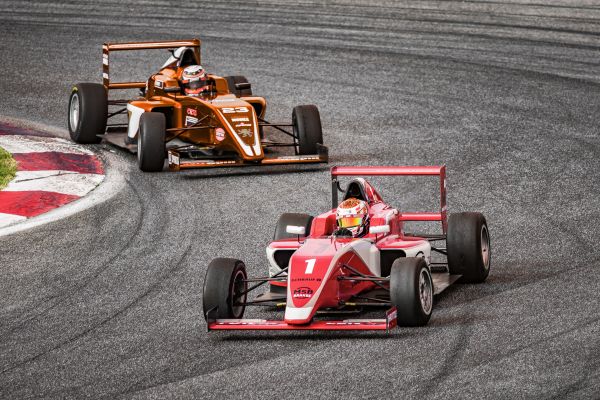
Formula 1 has always been about more than just speed. Beneath the roar of engines and the blur of cars lies a world shaped by innovation, precision, and relentless ambition. At the heart of it all are the F1 Teams—the masterminds behind every lap, every strategy call, and every championship dream.
To truly understand Formula 1, you have to look beyond the drivers and into the garages, design rooms, and pit walls where these teams operate. Each one carries its own identity, philosophy, and legacy, making the grid as much about engineering excellence as it is about racing skill.
The Role of F1 Teams in Modern Formula 1
F1 Teams are not just groups of mechanics and engineers; they are highly coordinated organizations that blend science, technology, and strategy into a competitive force. Every team designs and builds its own car, pushing the limits of aerodynamics, materials, and power units.
What makes Formula 1 unique is that success depends on a delicate balance. A car must be fast, but also reliable. Strategy must be bold, yet calculated. Drivers need confidence in the machine beneath them, while engineers constantly refine every detail, sometimes down to fractions of a millimeter.
Race weekends are the visible outcome of months—often years—of development. From wind tunnel testing to data analysis, F1 Teams operate with an intensity that few other sports can match.
A Look at the Leading F1 Teams on the Grid
Each season, the grid features a mix of historic giants and ambitious challengers. While performance shifts from year to year, a few names consistently stand out for their impact on the sport.
Red Bull Racing and the Era of Dominance
In recent years, Red Bull Racing has redefined what it means to dominate in Formula 1. Known for their aggressive design philosophy and bold strategies, the team has consistently produced cars that excel in both speed and adaptability.
Their approach often focuses on aerodynamic efficiency, allowing them to perform exceptionally well across a variety of circuits. It’s not just about outright pace—it’s about extracting performance in every condition.
Mercedes-AMG Petronas and Engineering Precision
Mercedes has built its reputation on precision and consistency. During the hybrid era, they established one of the most dominant streaks in Formula 1 history, setting new standards for power unit performance and team coordination.
Even in seasons where they face stronger competition, Mercedes remains a benchmark for engineering excellence. Their attention to detail and ability to recover from setbacks make them a constant threat.
Scuderia Ferrari and the Weight of Legacy
Ferrari is more than a team; it’s a symbol of Formula 1 itself. With decades of history, passionate fans, and an unmistakable identity, Ferrari carries a legacy unlike any other.
What makes Ferrari unique is the emotional connection it shares with the sport. Every victory feels historic, and every challenge becomes part of a larger narrative. Despite ups and downs, Ferrari remains central to the story of F1 Teams.
McLaren and the Spirit of Reinvention
McLaren has experienced both dominance and rebuilding phases, but what defines the team is its ability to adapt. In recent seasons, McLaren has steadily climbed back into contention, blending youthful energy with technical expertise.
Their resurgence reflects a broader theme in Formula 1: success is never permanent, and every team must evolve to stay competitive.
Aston Martin and the Rise of Ambition
Aston Martin represents a newer wave of ambition in Formula 1. With significant investment and a clear long-term vision, the team has rapidly transformed from midfield contender to a serious challenger.
Their progress highlights how modern F1 Teams can accelerate development through strategic planning and cutting-edge facilities.
The Importance of Team Strategy on Race Day
Speed alone does not win races. Strategy often determines the outcome, especially in tightly contested events. Decisions about tire choices, pit stop timing, and race pace can change everything in an instant.
F1 Teams rely on vast amounts of data during a race. Engineers monitor conditions in real time, adjusting strategies based on weather, track evolution, and competitors’ moves. It’s a high-stakes chess game played at over 300 kilometers per hour.
Sometimes, the boldest call pays off. Other times, a single miscalculation can cost a podium—or even a championship.
Behind the Scenes: The People Who Make It Happen
While drivers take the spotlight, thousands of individuals work behind the scenes to support each team. Aerodynamicists, software engineers, mechanics, strategists—all play a vital role.
The collaboration within F1 Teams is extraordinary. Departments must work seamlessly together, ensuring that every component of the car functions perfectly. Even a minor issue can have major consequences on track.
There’s also a human element that often goes unnoticed. The pressure is immense, the hours are long, and the margin for error is almost nonexistent. Yet, this environment fosters innovation and resilience.
Technology and Innovation in F1 Teams
Formula 1 has always been a testing ground for technology. Many innovations developed by F1 Teams eventually find their way into road cars, influencing safety, efficiency, and performance.
Modern F1 cars are incredibly complex machines. Hybrid power units combine internal combustion engines with electric systems, delivering both power and efficiency. Advanced materials reduce weight while maintaining strength, and aerodynamic designs maximize downforce without sacrificing speed.
Simulation tools and data analysis have also transformed how teams operate. Virtual testing allows engineers to explore countless scenarios before a car even hits the track.
The Competitive Balance Across the Grid
One of the most fascinating aspects of Formula 1 is the constant evolution of competition. While top teams often dominate, the gap between teams can shift dramatically from season to season.
Regulation changes play a major role in this. By altering technical rules, Formula 1 aims to create closer racing and more opportunities for different teams to succeed. This keeps the sport unpredictable and engaging.
Midfield teams, in particular, add depth to the competition. Their battles may not always be for the win, but they are often just as intense and meaningful.
The Emotional Side of F1 Teams
Beyond the technical brilliance, there’s an emotional dimension to every team. Victories bring joy not just to drivers, but to entire organizations that have worked tirelessly for that moment.
Losses, too, are deeply felt. A mechanical failure, a missed opportunity, or a strategic error can linger long after the race ends. These highs and lows are part of what makes Formula 1 so compelling.
Fans often align themselves with specific teams, creating a sense of identity and loyalty that spans generations. Whether it’s the heritage of Ferrari, the innovation of Mercedes, or the boldness of Red Bull, each team offers something unique to connect with.
The Future of F1 Teams
As Formula 1 looks ahead, F1 Teams continue to adapt to new challenges. Sustainability is becoming increasingly important, with a focus on reducing emissions and developing alternative fuels.
At the same time, technological advancement shows no signs of slowing down. Teams are constantly searching for new ways to gain an edge, whether through design innovations or improved data analysis.
The future promises a blend of tradition and transformation, where the essence of racing remains intact while the methods evolve.
Conclusion: The Heartbeat of Formula 1
F1 Teams are the backbone of Formula 1. They bring together talent, technology, and determination to create a sport that is as much about ingenuity as it is about speed.
Each team tells its own story—of triumph, struggle, and relentless pursuit of excellence. Together, they form a dynamic and ever-changing grid that keeps fans captivated year after year.
Understanding F1 Teams adds a deeper layer to watching the sport. It turns every race into more than just a contest of drivers; it becomes a showcase of human creativity and ambition, unfolding at incredible speed.