
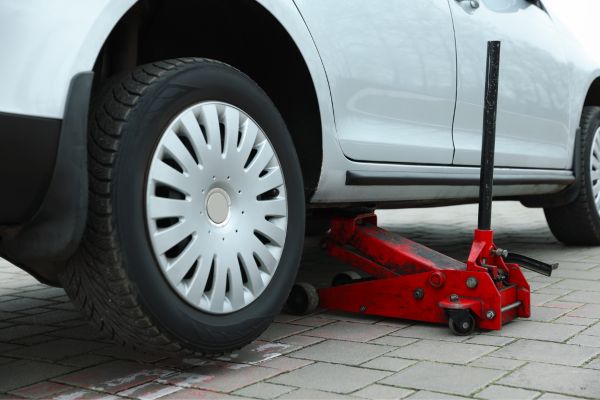
A car jack is one of those tools that usually sits quietly in the background until the exact moment you need it. Then, all of a sudden, it becomes very important. Whether you are changing a flat tire on the roadside, rotating tires at home, or lifting the car for a quick inspection, the type of jack you use can make the job easier, slower, safer, or more frustrating.
Two of the most common options are hydraulic jacks and scissor jacks. At first, they may seem to do the same basic thing: lift part of a vehicle off the ground. But in real use, they feel very different. One relies on hydraulic pressure and smooth lifting power. The other uses a simple screw mechanism that raises the car by hand. That difference affects everything from effort and stability to storage and long-term usefulness.
Understanding the hydraulic car jack vs scissor jack comparison helps you choose the right tool for your vehicle and your usual driving habits. It is not just about which one is stronger. It is about where you will use it, how often you will use it, and how comfortable you are with basic vehicle lifting.
How a Scissor Jack Works
A scissor jack has a compact, crossed-metal frame that opens and closes like a pair of scissors. When you turn the handle, a screw moves through the center of the jack and pushes the frame upward. As the metal arms expand, the saddle rises and lifts the vehicle.
Most factory emergency jacks supplied with cars are scissor jacks. They are small enough to fit under the trunk floor, usually next to the spare tire. Their design is simple, mechanical, and easy to store. There is no hydraulic fluid, no pump, and not much to maintain.
The trade-off is effort. Lifting a car with a scissor jack takes time and hand strength. The higher the vehicle needs to go, the more turning is required. In a calm driveway, that may not feel too bad. On the side of the road, with traffic passing and the ground not perfectly level, it can feel awkward very quickly.
Still, the scissor jack has survived for a reason. It is light, cheap, compact, and dependable for basic emergency use when handled correctly.
How a Hydraulic Car Jack Works
A hydraulic car jack uses fluid pressure to lift the vehicle. Instead of manually turning a screw, you pump a handle. Each pump moves hydraulic fluid through the jack’s internal system, forcing a piston upward. That piston raises the lifting arm or saddle and brings the vehicle up with much less effort.
Hydraulic jacks come in different shapes, but the most familiar are floor jacks and bottle jacks. A hydraulic floor jack has wheels, a long handle, and a low body that rolls under the car. A hydraulic bottle jack stands upright and is often used for taller vehicles like SUVs, vans, and trucks.
The biggest attraction is ease. A hydraulic jack can lift a vehicle faster and more smoothly than a scissor jack. It usually feels more stable too, especially in the case of a floor jack used on a concrete garage floor. That is why hydraulic jacks are common in workshops, home garages, and among people who do regular maintenance.
However, they are not perfect. Hydraulic jacks are usually heavier, bulkier, and more expensive than scissor jacks. They also need occasional care. If the hydraulic system leaks or air enters the system, the jack may not lift properly.
Lifting Effort and Ease of Use
This is where the difference becomes obvious. A scissor jack asks for patience. You have to turn the handle repeatedly, and the movement can feel slow. Some factory handles are not especially comfortable, either. If you are changing a tire in bad weather or at night, that physical effort becomes more noticeable.
A hydraulic jack feels easier from the first use. Pumping the handle is generally smoother and quicker. A floor jack, in particular, gives you better leverage because of its longer handle. You can raise the vehicle with controlled movement rather than grinding through many turns of a crank.
For people who do not work on cars often, this ease can matter a lot. A tool that feels simple and controlled is less intimidating. That does not remove the need for caution, but it does make the process more manageable.
In the hydraulic car jack vs scissor jack debate, hydraulic jacks clearly win on effort and comfort. Scissor jacks are usable, but they require more work.
Stability and Safety Feel
No jack is safe if used carelessly, but some designs feel more secure than others. A scissor jack usually has a narrow base and a small contact point. It can work well on firm, level ground, but it does not like soft surfaces, slopes, or careless positioning. If the car shifts or the jack is not seated correctly, the setup can become unstable.
Hydraulic floor jacks usually have a wider footprint and a rolling frame. On a flat garage floor, they feel much steadier. The saddle is often larger, and the long handle lets you lift from a safer position. Bottle jacks are strong, but because they stand upright with a smaller base, they still need firm ground and careful placement.
It is important not to confuse a stable-feeling jack with a support stand. A jack is for lifting only. If you plan to work under the vehicle, you must place the car securely on jack stands. This applies to both hydraulic and scissor jacks. Even a high-quality hydraulic jack should not be trusted as the only thing holding a car above you.
For emergency tire changes, both jack types can be safe when used exactly as intended. For garage work, a hydraulic floor jack with jack stands is the more confidence-inspiring setup.
Portability and Storage
Scissor jacks have a major advantage here. They are compact and light, which makes them easy to store in the vehicle. Most drivers can keep one in the trunk without losing useful cargo space. That is why manufacturers often include them with spare tire kits.
Hydraulic jacks vary. A bottle jack can be fairly compact, though usually heavier than a scissor jack. A floor jack is much larger and not ideal for everyday trunk storage. Some people do carry small hydraulic jacks in larger vehicles, but for compact cars, it may feel inconvenient.
For roadside readiness, a scissor jack is hard to beat. It may not be the easiest to use, but it is always there, tucked away and ready for a flat tire. A hydraulic jack is better when storage space is not a concern, such as in a home garage.
This is one reason many drivers actually benefit from having both: a scissor jack for emergencies and a hydraulic floor jack for home maintenance.
Vehicle Compatibility
The best jack also depends on the vehicle itself. Small cars and sedans usually work fine with scissor jacks because their factory jack points are designed for that exact tool. A scissor jack can fit into tight storage spaces and reach the required lifting height for a tire change.
Hydraulic floor jacks work well for many vehicles, but ground clearance matters. Some standard floor jacks may not fit under low cars. In that case, a low-profile hydraulic floor jack is better. For SUVs and trucks, the issue is often the opposite: the jack must lift high enough. A regular low jack may not reach the frame or lift the wheel off the ground. Taller floor jacks or bottle jacks may be more suitable.
Bottle jacks are strong, but they can be too tall for low vehicles even before lifting starts. That makes them more practical for taller vehicles than for compact sedans.
Before choosing any jack, check three things: lifting capacity, minimum height, and maximum lift height. The jack should be rated for the vehicle, fit under the proper lifting point, and raise the car high enough to complete the job.
Durability and Maintenance
A scissor jack is mechanically simple. Because it does not use fluid, there is less that can leak or fail internally. Its main issues are rust, bent parts, dry threads, and worn contact points. If it is stored in a damp trunk for years and never checked, it may become stiff or unreliable. A little inspection and lubrication can help keep it usable.
A hydraulic jack has more moving parts and depends on seals and hydraulic fluid. Over time, seals can wear, fluid can leak, and the jack may lose lifting strength. Some hydraulic jacks can be serviced, topped up, or bled to remove air from the system, but this requires a bit more attention.
That said, a well-made hydraulic jack used properly can last a long time. In regular garage use, it is often the more practical and satisfying tool. The key is to store it properly, avoid overloading it, and check it occasionally for leaks or unusual movement.
For low-maintenance emergency storage, the scissor jack has the advantage. For repeated use and smoother performance, hydraulic jacks are usually worth the extra care.
Cost and Value
Scissor jacks are usually more affordable. Many drivers already have one included with the car, so there may be no extra cost at all. Replacement scissor jacks are also generally cheaper than hydraulic models.
Hydraulic jacks cost more, especially floor jacks with higher capacity or low-profile designs. But value depends on use. If you only change a tire once every few years, a basic scissor jack may be enough. If you rotate tires, inspect brakes, or do maintenance at home, a hydraulic jack can save time and effort every time you use it.
The smarter question is not always “Which is cheaper?” It is “Which one will I actually use safely and comfortably?” A tool that makes the job easier can be worth paying more for, especially if it encourages better maintenance habits.
Which Jack Is Better for Emergency Tire Changes?
For emergency tire changes, the scissor jack remains practical because it is portable and usually designed to work with your vehicle’s factory lifting points. It stores neatly, does not rely on hydraulic pressure, and is always available if kept with the spare tire kit.
However, it is not the easiest option. If you have a larger vehicle or struggle with the physical effort of using a scissor jack, a compact hydraulic bottle jack may be worth considering. Just make sure it fits your vehicle and can safely lift from the correct points.
For most average cars, the factory scissor jack is acceptable for roadside use. For heavier vehicles, a properly rated hydraulic jack may be more comfortable and capable.
Which Jack Is Better for Garage Use?
For garage use, a hydraulic floor jack is usually the better choice. It lifts faster, feels more stable on concrete, and is easier to position. Paired with quality jack stands, it creates a much safer and more practical setup for tire rotations, brake checks, oil changes, and small repairs.
A scissor jack can be used in a garage, but it feels limited. It is slow, less stable, and not enjoyable for repeated use. It is better viewed as an emergency tool rather than a regular maintenance tool.
If you plan to do any regular work at home, hydraulic is the stronger recommendation.
Conclusion
The hydraulic car jack vs scissor jack comparison does not produce one perfect winner for every driver. Each tool has its place. A scissor jack is compact, affordable, simple, and useful for roadside emergencies. It is not fast or especially comfortable, but it does what it is designed to do when used carefully.
A hydraulic jack is smoother, easier, and better suited to regular maintenance. It offers a more controlled lifting experience and is usually the better option for garage work. The trade-off is size, weight, cost, and a little more maintenance.
For many drivers, the best answer is practical rather than dramatic: keep a scissor jack in the car for emergencies and use a hydraulic floor jack at home for planned work. That way, you are covered in both situations. A jack is not just about lifting metal off the ground. It is about being prepared, working safely, and choosing the tool that fits the moment.