
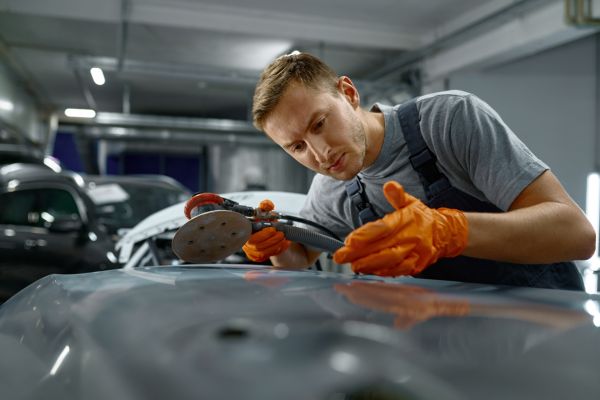
Rust has a way of starting quietly. At first, it may look like a tiny brown mark near a wheel arch, a faint bubble under the paint, or a rough patch along the bottom of a door. It does not seem urgent. The car still drives fine, the paint still shines from a distance, and life is busy. But rust rarely stays polite for long. Once moisture and oxygen begin working on exposed metal, the damage can spread under paint, behind trim, and across panels before it becomes obvious.
Understanding how to prevent car rust is one of the simplest ways to protect a vehicle’s appearance, strength, and long-term value. It is not only about keeping a car looking clean. Rust can weaken body panels, damage undercarriage parts, and turn small repairs into expensive restoration work if ignored. The good news is that prevention is mostly about habits: washing properly, inspecting often, protecting vulnerable areas, and dealing with chips before they turn into bigger problems.
Why Cars Start to Rust
Rust forms when iron or steel reacts with oxygen and moisture. Since many car parts are made from metal, especially beneath the paint and under the vehicle, rust becomes a natural risk over time. Paint, primer, coatings, and sealants act as barriers, but once that protection is scratched, chipped, or worn away, the exposed metal becomes vulnerable.
Road salt makes the problem much worse. Salt attracts moisture and speeds up corrosion, which is why cars in cold climates often rust faster, especially around wheel arches, rocker panels, and the undercarriage. Coastal areas can also be harsh because salty air settles on the car’s surfaces. Even in warmer regions, trapped mud, standing water, poor drainage, and neglected scratches can create the right conditions for corrosion.
Rust is not always caused by major damage. Sometimes it begins with something small: a stone chip on the hood, a scrape near the lower door, a clogged drain hole, or dirt packed inside a wheel well. That is why prevention matters. It catches trouble before it has a chance to settle in.
Wash the Car Regularly and Thoroughly
A clean car is not just about shine. Washing removes road grime, salt, mud, dust, and chemical residue that can hold moisture against the paint and metal. If the car is driven through rain, slush, salted roads, or muddy areas, washing becomes even more important.
The lower half of the vehicle deserves special attention because it collects the most dirt. Wheel arches, rocker panels, door bottoms, and the area behind the wheels are common rust zones. These places often look fine from a standing position, but they can hold grime for weeks. A gentle rinse before washing helps loosen abrasive particles, while a proper car shampoo removes residue without stripping protection too aggressively.
The undercarriage should not be forgotten either. It takes the worst punishment from road spray, gravel, salt, and standing water. A periodic underbody rinse, especially after winter driving or coastal trips, can make a real difference. The goal is not to pressure-blast delicate parts at close range, but to flush away buildup before it settles into seams and hidden corners.
Keep the Paint Protected
Paint is the car’s first line of defense against rust. When it is clean, sealed, and intact, moisture has a much harder time reaching the metal underneath. Wax, sealant, or ceramic-style protection can help create a barrier over the paint and make water, dirt, and contaminants less likely to cling.
Protection does not need to feel complicated. A well-maintained layer of wax or sealant a few times a year is better than doing nothing. It helps preserve the clear coat and gives the paint some extra resistance against weather and road film. Cars parked outdoors benefit especially from regular protection because sun, rain, dust, and pollution gradually wear down the surface.
Pay close attention to horizontal panels like the hood, roof, and trunk lid. They collect water and environmental fallout more easily. But rust often appears lower down, so do not focus only on the glossy areas people notice first. Door edges, lower panels, and wheel arch lips need the same care.
Repair Paint Chips Before They Spread
Stone chips are one of the most common starting points for rust. A tiny chip may expose primer or bare metal, and once water gets in, corrosion can begin under the surrounding paint. Over time, this can create bubbling, flaking, and a much larger repair area.
Touch-up paint is useful for small chips when applied carefully. The surface should be clean and dry before repair, and any loose material should be removed gently. If rust has already appeared, it needs to be treated before paint is applied. Painting over active rust only hides the problem for a short while.
Small chips are easy to ignore because they do not seem serious. Still, dealing with them early is one of the most practical rust-prevention habits. A few minutes spent sealing a chip can prevent a much larger patch of corrosion later.
Check Common Rust Spots Often
Rust tends to appear in predictable places. Wheel arches are high on the list because they are constantly hit by water, dirt, gravel, and salt. Rocker panels, the long sections below the doors, are also vulnerable because they sit low and collect road spray. Door bottoms, trunk edges, hood edges, and around windshield seals can develop rust if water gets trapped.
The undercarriage needs regular inspection too. Suspension mounts, exhaust brackets, frame areas, brake lines, and floor pans can all be affected by corrosion. Some surface rust underneath is common on older vehicles, but heavy scaling, flaking metal, or rust around structural areas should be taken seriously.
A quick visual inspection after washing is often enough to catch early signs. Look for paint bubbles, rough orange patches, flaking edges, or damp dirt trapped in seams. Rust prevention works best when it becomes part of normal car care rather than something done only when damage is obvious.
Keep Drain Holes Clear
Cars are designed with drain holes in doors, rocker panels, trunk areas, and other sections where water may enter or collect. These small openings allow moisture to escape instead of sitting inside metal cavities. When they become clogged with dirt, leaves, wax residue, or debris, water can remain trapped and cause rust from the inside out.
Door bottoms are a good example. Rainwater can pass inside the door through window seals, which is normal, but it must be able to drain out. If the drain holes are blocked, the inside of the door can stay wet. By the time rust appears on the outside, corrosion may already be more advanced.
Cleaning drain holes does not require aggressive tools. A gentle check and careful clearing are usually enough. It is a small detail, but it can prevent one of the most frustrating types of rust: the kind that starts where you cannot easily see it.
Protect the Undercarriage
The underside of a car faces constant exposure. Even a well-washed, polished vehicle can rust underneath if road salt, water, and dirt are allowed to sit for long periods. Undercarriage protection can include factory coatings, rustproofing sprays, oil-based treatments, or rubberized coatings, depending on the vehicle and climate.
The important thing is to apply protection correctly. Covering existing rust without proper preparation can trap moisture and make corrosion worse. The surface should be cleaned, dried, and inspected before any coating is used. In areas with harsh winters, annual underbody protection may be worth considering, especially for older vehicles.
Even without a full rustproofing treatment, rinsing the undercarriage regularly and keeping mud from packing into hidden areas helps. Rust loves places where moisture cannot dry quickly. Anything that improves drainage and cleanliness reduces the risk.
Store the Car Wisely
Where a car spends its time matters. A dry, ventilated garage is better than a damp, closed space where moisture lingers. Surprisingly, a poorly ventilated garage can sometimes encourage rust if a wet car is parked inside and stays damp for hours. Airflow helps the vehicle dry.
Outdoor parking is not always avoidable, but small choices help. Avoid parking for long periods over wet grass, mud, or areas where water pools. If a car cover is used, it should be breathable and clean. A cover that traps moisture against the paint can do more harm than good.
After driving in heavy rain, snow, or salty conditions, allowing the car to dry properly is useful. Moisture by itself is not always a disaster, but moisture trapped against dirt, salt, or exposed metal is where trouble begins.
Be Careful With Scratches and Poor Repairs
Not all rust begins naturally. Sometimes it starts after careless repairs, poor sanding, cheap paintwork, or untreated scratches. A scraped bumper edge, a badly repaired panel, or a dent that cracks the paint can expose metal and invite corrosion.
After any minor accident or bodywork repair, inspect the area over the following months. Good paintwork should seal the surface properly. If bubbling, discoloration, or cracking appears, it should be addressed before it spreads. Rust under repaired paint can be stubborn because it may already be moving beneath the surface.
This is also why quick cosmetic fixes can be risky. A smooth-looking patch is not enough if the metal underneath was not cleaned and sealed correctly. Rust prevention is less about hiding marks and more about stopping moisture from reaching vulnerable metal.
Conclusion
Learning how to prevent car rust is really about paying attention to the small things before they become large ones. Regular washing, paint protection, chip repair, clear drain holes, and undercarriage care all work together. None of these habits are dramatic, but they are effective because rust usually starts quietly and grows when it is ignored.
A car does not need to be treated like a museum piece to stay protected. It simply needs consistent care, especially in the places that collect water, salt, and dirt. When the paint is sealed, the underside is rinsed, and small damage is repaired early, rust has far fewer chances to take hold. In the long run, that means a cleaner-looking car, stronger bodywork, and fewer unpleasant surprises hiding beneath the surface.