
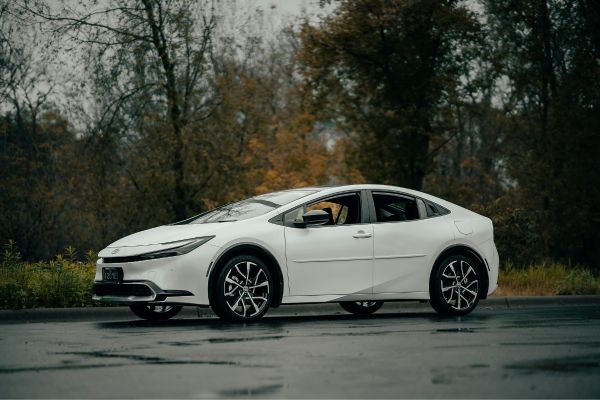
Hybrid cars sit in a practical middle ground. They promise better fuel economy than a regular petrol car, but they do not ask you to fully rethink your driving life the way a pure electric vehicle might. There is no daily pressure to find a charger, no long road-trip planning around charging stations, and no need to understand a completely different ownership routine overnight.
Still, one question keeps coming up for buyers: what are hybrid car maintenance costs really like?
The honest answer is that hybrids are not as complicated or frightening as some people imagine, but they are not magically maintenance-free either. They still have engines, brakes, tyres, fluids, filters, cooling systems, and electronic parts. The difference is that the electric side of the car changes how some of those parts work, and in many cases, how often they wear out.
Why Hybrid Maintenance Feels Different
A hybrid uses both a petrol engine and an electric motor. Depending on the model, the electric motor may help the engine, move the car at low speeds, recover energy while braking, or allow short electric-only driving. This shared workload is one of the reasons many hybrids have a reputation for long life.
In stop-and-go traffic, the petrol engine may switch off more often. During gentle driving, the electric motor can take some of the strain. When braking, regenerative braking helps slow the car while sending energy back into the battery. All of this can reduce wear on certain parts, especially the brakes.
But there is another side to the story. A hybrid has more technology than a simple petrol car. It has a high-voltage battery, power electronics, electric motor components, and sometimes extra cooling systems. These parts do not usually need constant attention, but when something does go wrong, diagnosis can be more specialized.
That is why hybrid maintenance is best understood as a trade-off. Routine costs can be quite reasonable, but buyers should still respect the complexity behind the system.
Everyday Servicing Is Usually Familiar
For most owners, regular hybrid servicing does not feel dramatically different from maintaining a normal car. Oil changes, air filters, cabin filters, brake fluid, coolant checks, tyre rotations, wheel alignment, and general inspections still matter.
The petrol engine in a hybrid may run less often than it would in a traditional car, but it still needs clean oil and proper care. Skipping service because the car “uses electric power too” is a bad idea. The engine may be working in shorter bursts, but it still deals with heat, friction, and age.
In many cases, hybrid car maintenance costs for everyday servicing are close to those of a comparable petrol model. Sometimes they are slightly lower because the braking system wears more slowly. Sometimes they are slightly higher if the vehicle requires specific fluids, dealer-level software checks, or trained technicians.
The big picture, though, is not scary. A sensible hybrid owner who follows the service schedule is usually dealing with ordinary maintenance most of the time.
Brakes Often Last Longer Than Expected
One of the quiet benefits of hybrid ownership is brake life. Because hybrids use regenerative braking, the electric motor helps slow the car before the traditional friction brakes do most of the work. In city driving, this can make a real difference.
Drivers who are gentle on the pedal may find that brake pads and rotors last longer than they would on a petrol-only vehicle. This is especially true in urban areas, where frequent braking gives the regenerative system more chances to work.
However, longer brake life does not mean brakes can be ignored. In fact, brakes that are used lightly for long periods can develop their own issues. Rust can build up on rotors, calipers can stick, and brake fluid still ages over time. A hybrid that spends most of its life doing short local trips should still have its braking system inspected regularly.
So yes, brakes can reduce overall maintenance costs. But they are not a part of the car that disappears from the budget.
The Hybrid Battery Is the Part Everyone Worries About
The high-voltage battery is usually the biggest fear for anyone looking at a hybrid. People imagine a huge replacement bill arriving suddenly, turning a fuel-saving car into an expensive mistake.
In reality, hybrid batteries often last a long time. Modern hybrid systems are designed to protect the battery by avoiding full charge and full discharge cycles. The car manages the battery automatically, keeping it within a safer operating range. This is one reason many hybrids have built strong reliability reputations over the years.
That said, batteries do age. Heat, mileage, driving style, and time all play a role. A high-mileage hybrid may still run well, but its battery health should be taken seriously, especially if the car is out of warranty.
Symptoms of a weakening hybrid battery can include lower fuel economy, the engine running more often than usual, warning lights, uneven battery charge readings, or a car that feels less smooth during electric assist. None of these signs should be ignored.
For used hybrid buyers, a battery health check is worth considering. It may cost a little upfront, but it can prevent a much larger surprise later.
Tyres Can Wear Faster on Some Hybrids
Hybrids are often heavier than their petrol-only versions because of the battery and electric components. That extra weight can affect tyre wear, especially if the car is driven hard or the alignment is not kept in check.
The instant torque from the electric motor can also be tough on tyres. It makes the car feel responsive, which is pleasant, but repeated quick acceleration can shorten tyre life. This is more noticeable in larger hybrid SUVs and plug-in hybrids.
Tyre costs are easy to overlook when discussing hybrid car maintenance costs, but they can become one of the more regular expenses. Good tyres matter for safety, fuel economy, and ride comfort. Choosing cheap tyres may save money at first, but it can reduce efficiency and grip.
Regular rotation, correct tyre pressure, and proper alignment are simple habits that help control this cost.
Plug-In Hybrids Can Cost More to Maintain
A plug-in hybrid is different from a regular hybrid. It has a larger battery, can usually drive a meaningful distance on electric power, and needs charging to deliver its best efficiency. For some drivers, that makes it a brilliant solution. For others, it adds cost and complexity without enough benefit.
Because plug-in hybrids carry both a full petrol system and a more capable electric system, they can be more complex than standard hybrids. They may have larger batteries, additional charging hardware, and more weight. If the owner charges daily and uses electric range properly, fuel savings can be excellent. If they rarely plug in, they may simply be driving a heavier hybrid with higher purchase and maintenance considerations.
This does not mean plug-in hybrids are a poor choice. It simply means the ownership pattern matters. A plug-in hybrid rewards disciplined charging. Without that, the running-cost advantage becomes weaker.
Dealerships, Independent Garages, and Specialist Knowledge
Hybrid maintenance has become more common, so finding a capable mechanic is easier than it used to be. Many independent garages can handle routine service on popular hybrid models. Oil changes, filters, tyres, brakes, suspension, and basic inspections do not always require a main dealer.
However, high-voltage diagnostics are different. Battery faults, inverter issues, software problems, and electric motor concerns may require specialist tools and training. In those cases, using a qualified hybrid technician is important. This is not just about cost; it is also about safety.
A good maintenance plan may involve using a trusted independent garage for ordinary work and a specialist or dealer for hybrid-system diagnosis. That balance can keep costs sensible without cutting corners.
Used Hybrids Need a Closer Look
Buying a used hybrid can be a smart move, but condition matters more than the badge on the boot. A well-maintained hybrid with service records is usually a better choice than a cheaper one with missing history.
Mileage alone does not tell the whole story. A high-mileage hybrid that has been serviced properly may be healthier than a low-mileage car that sat unused for long periods. Batteries do not love neglect, and neither do brakes, tyres, or fluids.
Before buying, check the service history, warning lights, fuel economy, smoothness of engine start-stop operation, tyre condition, and whether any hybrid battery warranty remains. A pre-purchase inspection is especially useful if the car is older or outside manufacturer coverage.
This is where spending a little more at the beginning can save money later. The cheapest used hybrid is not always the cheapest hybrid to own.
Are Hybrid Car Maintenance Costs Worth It?
For many drivers, hybrid car maintenance costs are reasonable when compared with the fuel savings and long-term reliability many hybrids can offer. The best results usually come from owners who drive regularly, service the car on time, and choose a model with a strong track record.
Hybrids are especially well suited to mixed driving and urban traffic. That is where the electric motor and regenerative braking can do their best work. If most of your driving is steady highway travel, the savings may be smaller, though many hybrids still return impressive fuel economy.
The key is to think beyond one repair bill. Maintenance cost is part of total ownership, along with fuel, insurance, tyres, depreciation, and the purchase price. A hybrid that saves fuel but needs expensive tyres or specialized repairs may not be as cheap as it first appears. A well-chosen one, though, can be one of the most balanced cars to live with.
Conclusion: Hybrids Reward Sensible Ownership
Hybrid cars are not mysterious machines anymore. They are mainstream, proven, and often surprisingly easy to live with. Their maintenance costs are usually manageable, especially when the car is serviced properly and driven in the kind of conditions where hybrids shine.
The battery deserves attention, but it should not automatically scare buyers away. The brakes may last longer, but they still need inspection. The engine may work less, but it still needs care. In other words, a hybrid is not a maintenance-free shortcut. It is a smarter blend of old and new technology.
For drivers who want better efficiency without fully switching to electric, a hybrid can make a lot of sense. The real secret is choosing carefully, maintaining it consistently, and understanding that lower running costs come from good habits as much as good engineering.