
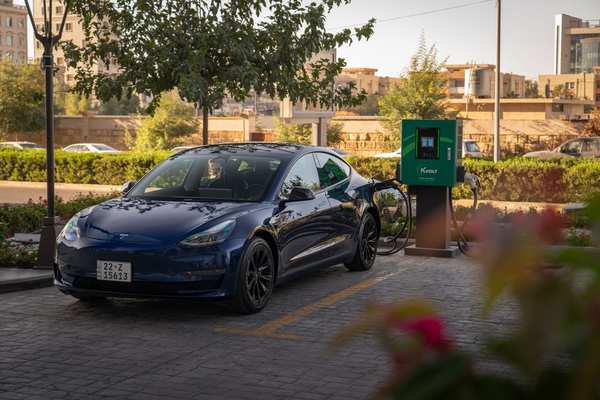
Buying an electric car in the UK in 2026 is no longer a niche choice, but it is not an automatic money-saver. More models are available, the charging network is larger and some government support remains. At the same time, EVs now pay Vehicle Excise Duty, electricity prices remain variable and drivers without reliable home charging can have a different experience from those with a driveway. The right decision depends on how, where and when you will charge.
Start with your charging routine, not the brochure range
For most buyers, the strongest case for an EV begins at home. If you can plug in overnight at home, an electric car can be convenient. If you depend on public rapid chargers, ownership is usually more expensive and needs more planning.
Before comparing cars, map a normal week. Note your daily mileage, longest regular journey, where the car sits overnight and whether workplace charging is available. A driver covering 25 miles a day with dependable overnight charging has different needs from someone regularly doing 250-mile motorway trips. For installation planning, see our home EV charging guide.
Road tax is no longer free for electric cars
One of the biggest 2026 changes is Vehicle Excise Duty. For the 2026/27 tax year, a new zero-emission car registered on or after 1 April 2025 pays £10 in its first year and then the standard annual rate of £200. Older EVs are also no longer universally exempt, with the amount depending on their registration date.
There is also an Expensive Car Supplement. For zero-emission cars registered on or after 1 April 2025, the threshold is now a list price of more than £50,000. Qualifying cars pay an additional £440 a year for five years, starting from the second year. The government has also announced a mileage-based eVED charge for electric cars from April 2028, initially set at 3p per mile, which matters if you plan to keep a 2026 purchase for several years.
New-car grants can still alter the deal
The Electric Car Grant remains relevant in 2026 for eligible new EVs priced at or under £37,000. Depending on the vehicle’s band, the maximum discount can be £3,750 or £1,500. Eligibility is model-specific, so never assume every EV below the price cap receives support.
Home charging is where running costs can look strongest
Electric car running costs are heavily influenced by your electricity tariff and vehicle efficiency. Ofgem’s average electricity unit rate for a standard variable tariff paid by Direct Debit from July to September 2026 is 26.11p per kWh, although actual rates vary by region and tariff.
For a practical example, suppose an EV averages 3.5 miles per kWh and you drive 10,000 miles a year. That is roughly 2,857 kWh of energy. At 26.11p per kWh, the electricity itself would cost about £746 before charging losses. An off-peak EV tariff could reduce that figure, while frequent public rapid charging could push it higher. A useful EV buying guide UK shoppers follow should therefore use their own charging mix. See also our electric car running costs guide.
Your home charging setup deserves a budget too. Renters, flat owners and some households with on-street parking may qualify for government support. From April 2026, several home chargepoint grants were extended to 31 March 2027 and the maximum grant rate increased to £500 per socket for eligible applicants. Check the criteria before installation because property type, parking and vehicle eligibility matter.
Public charging is growing, but postcode still matters
Department for Transport statistics recorded 119,080 public EV chargers in the UK as of 1 April 2026, including more than 27,000 rated at 50kW or above. That is reassuring for national travel, but infrastructure is not evenly distributed. Rural areas and some residential neighbourhoods can still feel less convenient than national totals suggest.
If you cannot charge at home, inspect the chargers near your home, workplace and regular routes. Look at power rating, pricing, payment method and recent reliability rather than simply counting map pins. A slower local charger you can use overnight may be more useful than an ultra-rapid hub several miles away.
Replace range anxiety with route reality
Modern EV ranges suit much everyday UK driving, but official figures are not promises. Motorway speeds, cold weather, heating, heavy loads and repeated short journeys can reduce efficiency. Ask whether the car can complete your longest common trip with a sensible reserve, rather than choosing the biggest battery by default.
Do not ignore insurance, tyres and depreciation
Electric cars can have lower routine maintenance needs because there is no engine oil or exhaust system to service. However, not every ownership cost is lower. Insurance can vary sharply by model, tyres on heavy or powerful EVs may be expensive, and depreciation can outweigh energy savings if you change cars frequently.
Get an insurance quote before paying a deposit. Used-EV buyers should also check the remaining battery warranty, charging speed, service history, tyre condition and whether charging cables are included. Use our new car buying checklist when comparing alternatives.
Who is an EV a good fit for in 2026?
An EV is particularly compelling if you can charge cheaply at home, drive predictable daily mileage and can choose a model whose practical range covers your routine. It can also make sense if an eligible new model has a strong grant-supported price.
You may want to wait, or compare a hybrid or efficient petrol car carefully, if you have no dependable home or workplace charging, regularly cover long routes in areas with limited infrastructure, or would need to stretch your budget simply to obtain reassuring range.
Frequently asked questions
Is an electric car still cheaper to run in the UK in 2026?
It can be, especially when most charging is done at home on a competitive tariff. The advantage is smaller for drivers who rely heavily on public rapid charging, so calculate costs using your expected charging mix.
Do electric cars pay road tax in 2026?
Yes. New zero-emission cars registered on or after 1 April 2025 pay £10 in the first year for 2026/27 and then the £200 standard annual rate. Some higher-priced EVs can also attract the Expensive Car Supplement.
Can I get a grant towards a new electric car?
Some eligible new EVs priced at or under £37,000 can receive an Electric Car Grant discount of up to £3,750 or £1,500 depending on the model’s band. The eligible list can change, so confirm it before ordering.
Is home charging essential?
No, but it can make EV ownership cheaper and easier. Drivers without home charging should investigate nearby public and workplace options before buying, including overnight access, pricing and reliability.
Make the decision from your own mileage
The case for buying an electric car in the UK in 2026 is stronger than it was a few years ago, but the decision is more nuanced. Tax exemptions have largely disappeared, while charging infrastructure, grants and vehicle choice have improved. Work out where you will charge, price annual electricity realistically, check tax and insurance, and test whether practical range fits your longest journeys. If those pieces line up, an EV can be easy to live with; if not, waiting is rational.